March 12, 2026
This article delves into the crucial decision of whether to repair or replace your water heater, exploring key factors, cost implications, and guidance to help homeowners make an informed choice.
1. Traditional Tank Water Heaters
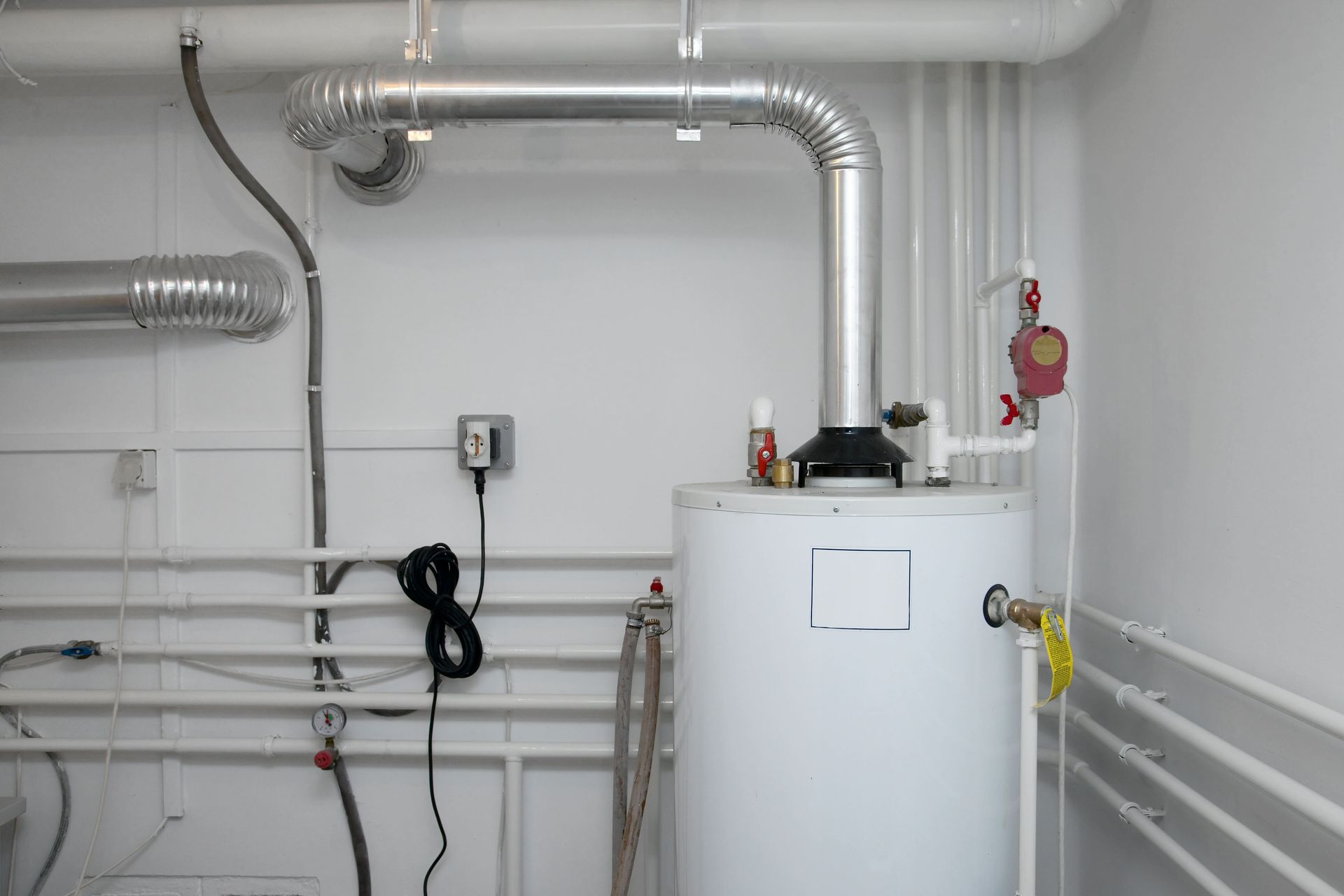
Traditional tank water heaters are the most common type found in homes. They feature a large reservoir that stores heated water, which is available for use on demand. The tank is usually insulated to maintain the temperature of the water until it is needed. However, one of the major drawbacks is the energy loss from maintaining the water temperature when it is not in use. This type of heater generally has a lifespan of about 10 to 15 years, though this can vary based on maintenance and usage patterns.
These water heaters are relatively simple to install and maintain, making them a popular choice for many households. They come in a range of sizes to accommodate the number of people in a home, with tanks typically ranging from 20 to 80 gallons. Installation costs are generally lower compared to more complex systems, and repair costs are often manageable since parts are widely available. However, traditional tank water heaters can occupy considerable space and are more prone to leaks as they age. Regular maintenance can help extend their useful life and ensure efficient operation.
The ongoing operational cost is a significant factor to consider with these units. Since they continually heat the water in the tank, energy consumption can be higher compared to on-demand systems. Traditional tanks may be less energy-efficient, translating into higher utility bills over time. Despite these drawbacks, their initial purchase price is often more affordable, providing a cost-effective solution for immediate needs. When evaluating whether to repair or replace, it's important to consider both energy efficiency and long-term costs.
2. Tankless (On-Demand) Water Heaters
Tankless water heaters, also known as on-demand heaters, offer an energy-efficient alternative to traditional tank systems. Instead of storing heated water, these units heat water directly as it is needed, which means you only use energy when hot water is required. This significantly reduces energy consumption as there is no need to maintain the temperature of stored water. The upfront cost of a tankless system can be higher than that of a traditional tank water heater, but the energy savings often lead to a quicker return on investment. Their lifespan can extend up to 20 years, making them a long-term solution for energy-conscious homeowners.
One of the primary benefits of tankless water heaters is the virtually unlimited supply of hot water. This can be particularly advantageous for larger families or in homes with high hot water demand where continuous hot water is an essential feature. However, the flow rate can be a limitation, as they may struggle to supply multiple outlets simultaneously with the required intensity. Proper sizing and potentially installing multiple units can help mitigate these issues and optimize performance for specific household needs. They also take up less space than traditional tank units, making them suitable for homes with limited installation area.
Installing a tankless water heater requires careful planning and potentially upgrading existing infrastructure, which can increase initial costs. Professional installation is generally recommended to ensure the system operates safely and efficiently. While the upfront investment is higher, tankless heaters often qualify for federal and local incentives or rebates, which can offset some costs. In summary, the decision to switch to a tankless system should be based on evaluating energy savings against the initial installation expenses and considering overall household needs.
3. Heat Pump Water Heaters
Heat pump water heaters, also known as hybrid water heaters, leverage technology that extracts heat from ambient air to heat water. This approach is much more energy-efficient compared to traditional electric water heaters because it moves heat instead of generating it directly. According to “Today's Homeowner,” water heaters can last between 6 and 20 years, but heat pump models tend toward the higher end of this range with proper maintenance. These systems are ideal for homeowners looking to reduce their carbon footprint and lower energy costs over time. While typically requiring a higher initial investment, the reduction in monthly energy bills can make these units more economical in the long run.
One of the significant considerations in installing a heat pump water heater is the space requirement, as they need a location with 1,000 cubic feet of air space around them to operate efficiently. They also perform best in locations where ambient temperatures remain moderate year-round. Given the larger space needs, installation in basements or large utility rooms is often recommended. Additionally, these systems may have a slower recovery time compared to traditional heaters, meaning that during high demand, reheat times might be longer. However, the environmental benefits and cost savings in energy bills can often outweigh these logistical challenges.
An added advantage of heat pump water heaters is their dual functionality—they can also help cool and dehumidify the area in which they are installed. This can be a beneficial addition to warmer climates, providing supplementary cooling to a home. Despite their higher upfront cost, many homeowners find that the long-term energy savings and potential rebates can make heat pump water heaters a worthwhile investment. Careful consideration of climate, space, and budget is crucial when deciding if this energy-efficient option aligns with home requirements.
4. Solar Water Heaters
Solar water heaters are a sustainable option that harnesses energy from the sun to heat water. They are eco-friendly and can significantly reduce energy bills by lowering dependence on traditional power sources. Solar water heating systems comprise two main components: solar collectors and a storage tank. These systems often require a large upfront investment, but they can be highly cost-effective over time, especially in sunnier regions where solar energy is abundant. Homeowners interested in minimizing their environmental impact often find solar water heaters an appealing option due to the considerable reductions in utility costs and greenhouse gas emissions they offer.
There are primarily two types of solar water heating systems: active (which have circulating pumps and controls) and passive (which do not). Active systems are generally more efficient but also more complex and expensive. Passive systems are more reliable and simple in design, making them easier to maintain. Both types have their advantages depending on specific household needs and environmental conditions. As solar technology continues to advance, newer models increase efficiency rates and lower costs, making solar solutions more accessible and affordable for homeowners.
Before switching to solar, it’s essential to assess whether the home’s location receives sufficient sunlight. Factors such as roof orientation, shade patterns, and local climate all play crucial roles in determining the efficiency of solar water heaters. Furthermore, solar incentives and tax credits can significantly reduce the initial system cost, providing additional motivation to invest in this sustainable energy solution. This detailed evaluation can help dictate whether a solar water heating system is a viable and beneficial choice for homeowners.
5. Indirect Water Heaters
Indirect water heaters work in conjunction with a home's space heating system to provide hot water. Instead of relying on an independent burner, these systems utilize the heat generated by the home's boiler, which makes them an efficient choice in homes with a modern boiler already in use. The heated water from the boiler circulates through a heat exchanger tank, which then heats the home's water supply. Indirect water heaters are often associated with higher initial installation costs but are praised for their operational efficiency and reduced energy bills over time.
Installation of indirect water heaters requires integration with the existing boiler or furnace system, necessitating skilled professional knowledge. However, when appropriately configured and installed, they offer reliable and efficient performance for years with relatively low maintenance requirements. The cost efficiencies stem from their ability to piggyback on the boiler system's energy during the heating season, allowing for consistent and ample hot water supply. In summary, these innovative systems offer an economical and space-efficient solution, particularly in regions where seasonal heating is already a necessity. Be sure to reach out to Beck's Plumbing and Heating LLC today for more information on our professional water heater repairs!