July 1, 2026
Ensuring the proper function of your filtration systems not only protects health but also preserves resources. When it comes to taking care of your home, it's critical to understand that filtration system maintenance will pay dividends in the long run. Keep reading to learn about how repairs influence water quality and why they are essential for any property relying on clean, safe water.
Understanding the Basics of Water Filtration Systems
The Role of Water Filtration Systems
Water filtration systems play a crucial role in removing impurities from water, making it safer and more pleasant for everyday household use. These systems can help reduce contaminants such as bacteria, sediments, minerals, and chemical pollutants that may affect taste, odor, clarity, and overall water quality. According to NSF, as of 2023, 91% of Americans used a water filter, up 25% since 2020. As more households rely on filtration for drinking, cooking, bathing, and appliance protection, keeping these systems properly maintained becomes increasingly important. Routine repairs and maintenance help preserve filtration performance so homeowners can continue relying on consistent, clean water.
Types of Filtration Systems
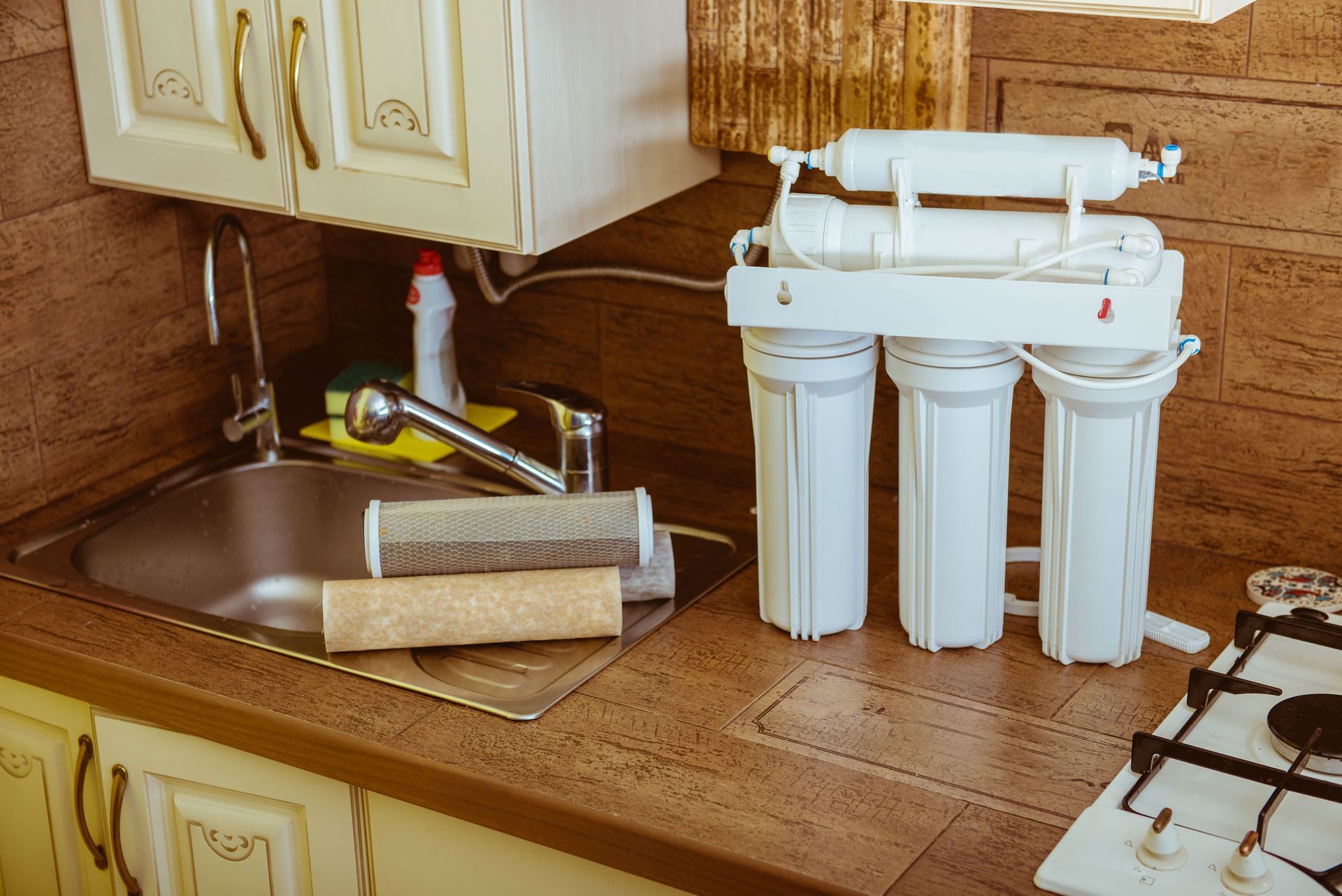
There are several types of water filtration systems, each designed to manage different types and levels of contaminants. Common types include activated carbon filters, reverse osmosis systems, and ultraviolet purification systems. Each system operates using different mechanisms, targeting specific impurities to improve the overall quality of water. While activated carbon filters remove organic contaminants through adsorption, reverse osmosis systems use a semipermeable membrane to separate impurities from water. Having a basic understanding of these systems helps in choosing the right one for your needs and understanding the repair necessities.
Common Components of Filtration Systems
The common components of filtration systems include filters, membranes, pumps, and control units. Filters and membranes act as barriers to remove or reduce contaminants in water, while pumps facilitate the movement of water through the system. Control units manage the operation and ensure that all subsystems are functioning correctly. The longevity of filtration systems largely depends on the quality and maintenance of these components. Knowing these components allows users to identify which parts may need repair or replacement to maintain efficiency.
How Filtration Systems Work
Filtration systems work by passing water through various filters to remove contaminants. The process usually involves several stages, beginning with a sediment filter that removes large particles. Subsequent stages include activated carbon filters that trap chemicals and organic contaminants, and specialized filters like reverse osmosis membranes for minuscule impurities. Additionally, UV filters may be used to kill any remaining bacteria or viruses. Each stage enhances water quality by addressing different types of impurities, ensuring a cleaner, safer output.
The Impact of Repairs on Water Quality
Preventing Contamination
Regular repairs play a crucial role in preventing contamination in water filtration systems. By addressing malfunctioning components, facilities can avoid the spread of bacteria, viruses, and chemical pollutants. Contaminated water poses severe health risks, making it imperative to maintain systems rigorously. Repairing leaks, replacing worn-out filters, and correcting faulty seals are effective methods to defend against contamination. Consistent maintenance benefits both human health and machinery longevity.
Ensuring Consistency in Water Flow
One of the key objectives of routine filtration system repairs is to ensure consistent water flow. Disruption in flow can lead to variations in filtration efficiency, which result in impurities contaminating the water supply. Pump maintenance, leak repairs, and unclogging services are essential to maintaining steady water flow. These actions also help in preserving the system's energy efficiency and decreasing operational costs. Providing stable water flow is an indispensable aspect of proper water management.
Maintaining Chemical Balance
Maintaining the chemical balance in a water filtration system is crucial to avoid adverse chemical reactions that can affect water quality. Filtration systems are designed to regulate mineral and chemical levels, ensuring the water remains potable. When systems malfunction, these balances may be disrupted, leading to harmful water conditions. Regular inspections and repairs help to sustain chemical equilibrium within the system. These efforts ensure that water exiting the system is safe for consumption and use.
Reducing Bacterial Growth
Timely repairs are vital for reducing bacterial growth within filtration systems. Clogged filters and stagnant water due to system inefficiencies create ideal environments for bacteria to proliferate. These bacterial colonies can potentially compromise the safety of the water supply. Regular maintenance prevents conditions favorable to bacterial growth by ensuring smooth water flow and clean filtration media. This is essential in safeguarding against health risks associated with contaminated water.
Extending the Lifespan of the System
Undertaking regular repairs and maintenance can significantly extend the lifespan of water filtration systems. Addressing minor issues promptly prevents them from escalating into major malfunctions that demand costly replacements. By investing in routine check-ups, component replacements, and system adjustments, facilities can enhance the durability of their filtration systems. An extended system lifespan translates to lower operational costs and a higher return on investment. Effective management of system health ensures reliable, long-term operation.
Preventative Maintenance to Minimize Repairs
Scheduled Inspections
Scheduled inspections are a vital component of preventative maintenance for water filtration systems. Regularly examining system components helps identify potential issues before they escalate into significant problems. Inspections conducted by trained professionals can detect signs of wear and tear, leaks, or inefficiencies in the system. By adhering to a consistent inspection schedule, facilities can ensure optimal system performance and prolong component life. Proactive inspections reduce the need for emergency repairs and contribute to maintaining water quality consistently.
Regular Filter Replacements
Regularly replacing filters is essential to uphold the effectiveness of water filtration systems. Filters trap impurities and debris that can hinder water flow and contaminate the supply if not routinely replaced. Over time, backed-up filters become less effective and can even release accumulated toxins back into the water. Establishing a filter replacement schedule ensures that all filters are changed before reaching their maximum capacity. Doing so aids in maintaining the system's filtration capabilities and overall efficiency.
Monitoring System Performance
Consistently monitoring system performance allows for early detection of potential issues and areas requiring improvement. By tracking metrics such as water pressure, flow rate, and impurity levels, facility managers can assess whether the system is operating optimally. Deviations from standard performance indicators can signal underlying problems such as blockages, leaks, or component failures. Utilizing monitoring tools and technologies enables more accurate assessments and timely interventions. Such vigilance ensures that filtration systems remain in peak condition, promoting consistent water quality.
Developing a Maintenance Plan
Developing a comprehensive maintenance plan is crucial for sustaining water filtration system efficiency over time. A robust plan outlines the frequency of routine inspections, filter replacements, and performance monitoring. By systematically addressing each component's needs, facilities can prevent and mitigate issues effectively. Furthermore, a well-structured maintenance plan supports regulatory compliance, ensuring water quality standards are consistently met. Coordinating resources, expertise, and scheduling through a clear plan maximizes system durability and water purity.
Consistent water quality is paramount for health and efficiency, making filtration system repairs indispensable. Through understanding common issues and embracing both preventive and corrective measures, facilities can ensure the longevity and effectiveness of their water filtration systems. If you need water filtration repairs, be sure to contact Beck's Plumbing and Heating LLC. Our team of professionals looks forward to working with you!